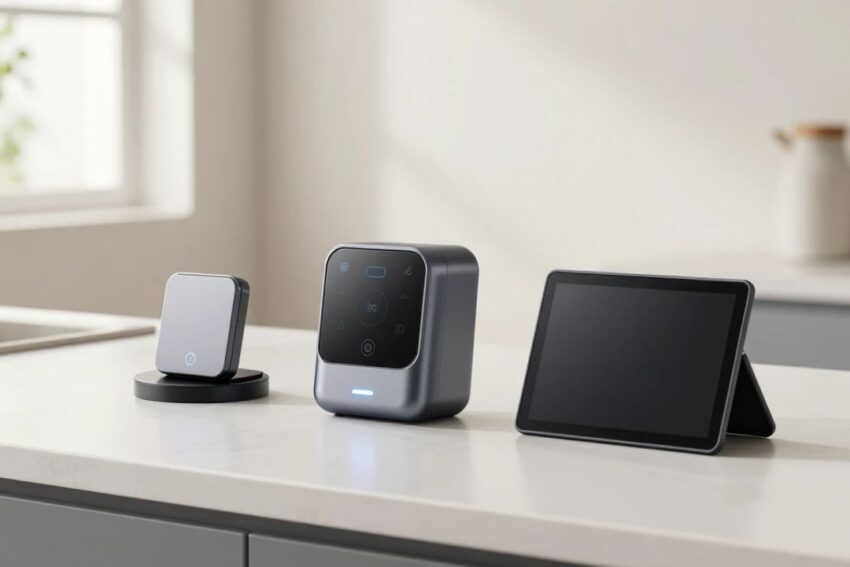
In today’s fast-paced world, technology continues to evolve at an astonishing rate. Every year brings a new wave of innovative gadgets that transform the way we live, work, and play. From smart home devices and wearable technology to cutting-edge smartphones and AI-powered tools, gadgets have become an integral part of daily life. The year 2026 is no exception, offering a variety of exciting devices that are changing how we interact with the world around us.
The Rise of Smart Home Technology
One of the most significant trends in recent years has been the growth of smart home gadgets. These devices, powered by the Internet of Things (IoT), allow homeowners to control and automate their living spaces with unprecedented convenience. Smart speakers, lighting systems, thermostats, security cameras, and even kitchen appliances are now connected to a central hub, often controlled through smartphones or voice assistants.
Smart lighting, for example, allows users to adjust brightness, color, and schedules remotely. Thermostats can learn household patterns to optimize energy usage, saving money while reducing environmental impact. Smart security systems provide real-time alerts, remote monitoring, and facial recognition capabilities, enhancing safety. With the integration of AI, these devices are becoming increasingly intuitive, adapting to user behavior and anticipating needs.
Wearable Technology: More Than Just Fitness Trackers
Wearable gadgets have evolved far beyond simple step counters. Modern smartwatches and fitness bands now monitor heart rate, blood oxygen levels, sleep quality, and even stress. Advanced wearables can detect early signs of health issues, offering preventive insights that were previously available only through professional medical devices.
In 2026, wearables are increasingly personalized and multifunctional. Some devices provide real-time translation, gesture control for smart devices, and even augmented reality (AR) overlays for navigation or gaming. These gadgets are no longer just accessories—they are essential tools for managing health, communication, and productivity.
Smartphones: The Hub of Daily Life
Despite the emergence of numerous new gadgets, smartphones remain central to modern life. The latest models in 2026 feature foldable or flexible displays, high-speed 6G connectivity, and AI-enhanced cameras that rival professional photography equipment. These smartphones are designed not just for communication but as hubs for entertainment, productivity, and smart home management.
AI integration allows smartphones to anticipate user needs. For instance, predictive apps can suggest meeting schedules, route planning, or personalized content based on habits. Camera systems now include advanced computational photography, capable of capturing professional-quality images in any lighting condition. Foldable devices also expand screen real estate without sacrificing portability, making them ideal for multitasking on the go.
Gaming Gadgets: Immersive Experiences
The gaming industry continues to push the boundaries of technology. In 2026, virtual reality (VR) and augmented reality (AR) headsets have become more compact, lightweight, and affordable, offering immersive experiences that blend real and virtual worlds. High-resolution displays, haptic feedback, and spatial audio create a sense of presence that enhances gameplay.
In addition to entertainment, VR and AR gadgets are finding applications in education, training, and remote collaboration. Professionals can use virtual simulations for skill development, while students explore interactive learning environments. This convergence of gaming and practical use demonstrates the versatility of modern gadgets.
AI-Powered Personal Assistants
Artificial intelligence is no longer confined to software; it is now embedded in physical gadgets that make daily life more efficient. AI-powered assistants, integrated into devices such as smart speakers, home robots, and even kitchen appliances, can manage schedules, control connected devices, answer questions, and provide real-time updates.
Some AI gadgets can anticipate needs before they are explicitly requested. For instance, a smart refrigerator may track food inventory, suggest recipes based on available ingredients, and automatically reorder staples when supplies run low. Similarly, AI vacuum cleaners map the home environment to optimize cleaning routes and detect obstacles efficiently.
Health and Wellness Gadgets
Health and wellness technology continues to grow as users demand more control over their personal well-being. Smart scales, posture monitors, sleep trackers, and even connected meditation devices are helping people lead healthier lives. In 2026, wearable medical devices can provide continuous monitoring for chronic conditions, alerting users and healthcare providers to anomalies before they become serious issues.
Gadgets focused on mental wellness are also gaining popularity. Devices that use biofeedback, guided meditation, or AI-driven mood analysis help users manage stress and improve mental health. By combining data collection with actionable insights, these gadgets empower individuals to take proactive steps toward holistic well-being.
Eco-Friendly and Sustainable Gadgets
Environmental awareness has influenced the design of many modern gadgets. Solar-powered devices, energy-efficient appliances, and products made from recycled materials are now common. Smart energy monitors track consumption and provide tips to reduce carbon footprints. Even portable chargers and wearable gadgets are increasingly built with sustainability in mind, appealing to eco-conscious consumers.
Transportation Gadgets
Gadgets are also transforming the way people travel. Electric scooters, e-bikes, and self-driving vehicles are integrating smart features to improve safety and convenience. In-car gadgets with AI navigation, real-time traffic updates, and driver-assist technologies are making commuting more efficient. Portable GPS trackers and smart luggage offer peace of mind during travel, ensuring that belongings are secure and easily located.
Challenges and Considerations
While modern gadgets offer convenience and innovation, they also present challenges. Privacy and data security are primary concerns, as many devices collect sensitive personal information. Users must be aware of what data is being collected and how it is stored. Manufacturers are increasingly incorporating strong encryption, secure authentication, and privacy-focused features to address these concerns.
Another challenge is device compatibility. With so many gadgets from different brands, ensuring seamless integration can be complicated. Ecosystem compatibility, open standards, and smart hubs are helping address this issue, allowing multiple devices to communicate and function together efficiently.
The Future of Gadgets
The gadgets of 2026 highlight how technology is becoming more intelligent, interconnected, and user-focused. Innovations in AI, IoT, wearable tech, and sustainability are shaping a world where devices are not only tools but partners in daily life. As technology continues to advance, we can expect even more sophisticated gadgets that anticipate our needs, simplify complex tasks, and enhance overall quality of life.
In conclusion, the top gadgets of 2026 are more than just novelties—they are transformative tools that impact how we live, work, and play. Smart homes, wearable devices, AI assistants, gaming innovations, and health-focused gadgets demonstrate how technology is seamlessly integrating into daily routines. As we adopt these devices, it is essential to remain mindful of privacy, security, and responsible usage to maximize the benefits of this exciting technological era.
Gadgets are no longer just about convenience—they are shaping the future of human interaction, productivity, and wellness, making 2026 an exciting year for technology enthusiasts and everyday users alike.