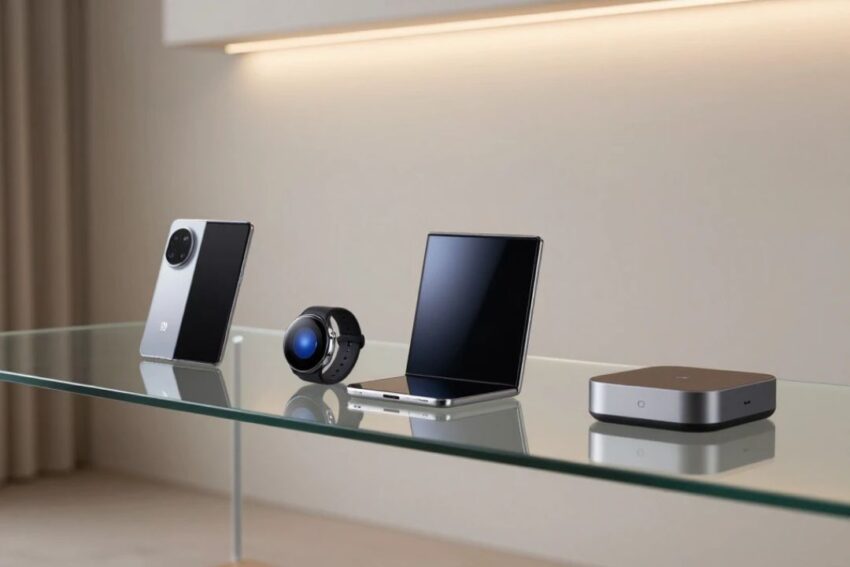
The world of technology is constantly evolving, and smart devices have become an essential part of modern life. From homes and workplaces to healthcare and entertainment, smart gadgets are changing the way we live, interact, and manage our daily routines. In 2026, these devices are not just convenient—they are transformative, offering capabilities that were unimaginable a few years ago. Understanding the future of smart devices helps us appreciate how deeply technology is woven into our everyday lives.
Smart Homes: More Intelligent Than Ever
Smart home devices remain at the forefront of technological innovation. In 2026, homes are becoming increasingly intelligent, with devices that communicate seamlessly to improve comfort, efficiency, and security. Smart thermostats, lighting systems, and appliances can learn from user behavior, automatically adjusting settings to optimize energy usage and comfort.
Security has also advanced significantly. Modern smart cameras and doorbells now feature facial recognition, motion tracking, and real-time alerts, allowing homeowners to monitor their property from anywhere. AI-driven systems can even differentiate between humans, pets, and potential intruders, reducing false alarms and enhancing protection.
Voice-activated assistants are now more intuitive than ever, capable of understanding natural language, context, and even emotional cues. These AI-powered hubs control connected devices, answer questions, manage schedules, and provide personalized recommendations, making everyday tasks easier and more efficient.
Wearables: From Fitness to Full-Life Management
Wearable devices have evolved far beyond fitness tracking. Smartwatches and smart bands in 2026 monitor not only heart rate and steps but also sleep quality, stress levels, hydration, and even early signs of health issues. Some wearables can perform real-time electrocardiograms (ECGs) and provide actionable insights to prevent medical emergencies.
The integration of AI in wearables allows them to act as personal assistants on the go. Devices can predict daily schedules, suggest health routines, and even translate languages in real time. Wearables are also becoming more stylish and customizable, blending technology with fashion, making them devices that users are proud to wear daily.
Smartphones: Smarter Than Ever
While many new gadgets have emerged, smartphones remain the central hub of our digital lives. In 2026, smartphones feature foldable screens, ultra-high-definition cameras, and AI-powered performance enhancements. Beyond communication, they act as control centers for smart homes, fitness tracking, and entertainment.
AI integration enables predictive functionality, anticipating user needs and offering helpful suggestions. For example, smartphones can automatically adjust settings based on location, suggest efficient travel routes, or even recommend personalized content for learning and leisure. With advanced cameras, these devices are also replacing professional equipment for photography and videography, enabling anyone to create high-quality content on the go.
Healthcare and Wellness Gadgets
Smart devices are increasingly focused on health and wellness. Wearable monitors, smart scales, and connected devices for posture, sleep, and meditation provide actionable data to help individuals improve their well-being. AI-driven apps analyze this data to offer personalized recommendations for exercise, nutrition, and mental health.
In hospitals and clinics, smart devices enhance patient care. Remote monitoring tools allow doctors to track patient conditions in real time, reducing hospital visits and enabling timely interventions. Smart medication dispensers remind patients to take doses and track adherence, improving treatment outcomes.
Entertainment and Gaming
Smart gadgets are transforming entertainment, offering immersive experiences through AR and VR technologies. Lightweight, high-resolution headsets create interactive environments for gaming, education, and social interaction. AR glasses overlay digital information onto the real world, enhancing navigation, learning, and even shopping experiences.
Streaming devices and smart TVs now include AI recommendations, personalized playlists, and voice control, creating a more engaging and seamless entertainment experience. Gaming consoles have also evolved, integrating cloud gaming capabilities that allow players to enjoy high-quality games without bulky hardware.
Transportation and Mobility
Smart devices are also shaping the future of transportation. In 2026, connected vehicles offer autonomous driving features, AI-assisted navigation, and real-time traffic management. Electric vehicles (EVs) communicate with smart charging stations to optimize energy use and minimize costs. Wearable devices linked to transportation apps help users track routes, public transit schedules, and vehicle locations.
Portable devices like smart scooters, e-bikes, and GPS trackers provide convenience for short-distance travel, urban commuting, and safety. Smart gadgets in vehicles monitor driver behavior, detect fatigue, and provide alerts to prevent accidents, making travel safer and more efficient.
Sustainability and Eco-Friendly Gadgets
The future of smart devices is closely tied to sustainability. In 2026, eco-friendly gadgets are designed to reduce energy consumption, utilize recycled materials, and encourage environmentally conscious behavior. Smart plugs, lighting, and energy monitors track electricity usage and suggest ways to save energy. Solar-powered gadgets and low-energy devices are increasingly common, demonstrating that convenience and environmental responsibility can go hand in hand.
Challenges and Considerations
Despite the benefits, smart devices come with challenges. Privacy and security are major concerns, as connected devices collect sensitive personal data. Ensuring strong encryption, secure authentication, and user awareness is essential to protect against hacking and data breaches.
Compatibility and interoperability are also key challenges. With multiple devices from different manufacturers, ensuring seamless communication is critical. Open standards, smart hubs, and ecosystem integration are helping address these issues, enabling devices to work together efficiently.
The Road Ahead
The future of smart devices promises even more innovation. AI, IoT, and machine learning will continue to make gadgets smarter, more responsive, and more capable of anticipating our needs. Devices will become more integrated into daily life, providing seamless experiences that enhance convenience, productivity, and well-being.
In conclusion, smart devices in 2026 are transforming everyday life. From homes and healthcare to transportation, entertainment, and personal wellness, these gadgets are indispensable tools that simplify, enhance, and protect our lives. By embracing innovation while remaining mindful of privacy and security, we can fully leverage the potential of these devices, creating a connected, efficient, and smarter world.